

How To Choose The Right Alaskan Cruise
Alaska is a bucket list destination, but with so many options it can be overwhelming to choose the right ship and itinerary. You don’t want to miss anything important (what if you never go back?), so during your consultation with me we’ll talk about LOTS of things to pick the perfect experience.
If you’re just getting started on the planning, here are some things to consider and 3 important questions.
When Should I Go?
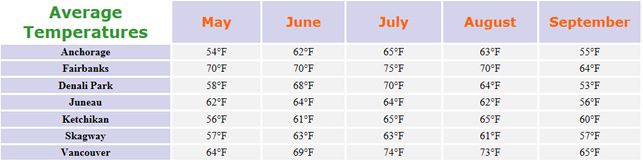
- The Alaska cruise season runs May through September. The peak cruise season aligns with the warmer months when prices are highest and port towns are busiest.
- Shoulder season is May and September and offers pleasant weather with fewer crowds and slightly lower fares. Locals are friendlier early in the season when they aren’t burnt out dealing with tourists, and late May and September also tend to be drier than other months.
- Peak season is June through August when the weather is the warmest with temperatures ranging from 50°F to 80°F during the day and cooler at night. The nearly endless daylight in June is magical, though it tends to be wetter than July and August
What Should I See?
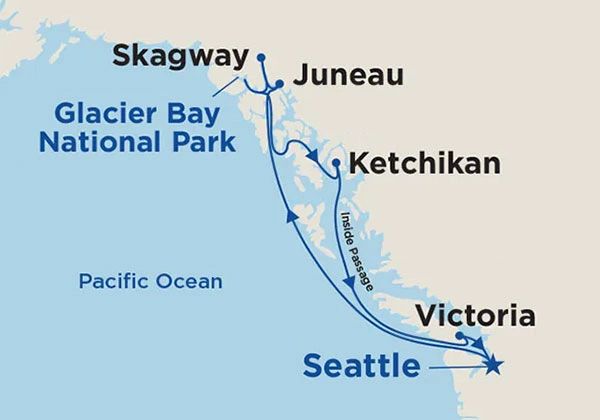
The Inside Passage is the most popular Alaska cruise itinerary, and typically lasts seven nights. Ships sail round trip from Seattle or Vancouver, and sail north along Alaska’s Panhandle. Weaving through the islands of the Pacific Northwest Coast, this stretch of water is largely protected from the rough open waters and that lessens the risk of seasickness.
Inside Passage cruises typically stop at three Alaskan ports, and offer a full day of scenic cruising. Port stops can include Juneau, Sitka, Icy Straight, Ketchikan, & Skagway.
Advantages of an Inside Passage Round-Trip Cruise
- You will start and stop in the same city. You can save on flights and non stop routes are available. You’ll fly in a day before your cruise and can explore Vancouver or Seattle before or after your cruise.
- You get to explore diverse and beautiful harbor towns on Alaska’s Western seaboard, that are inaccessible by car.
- You won’t get seasick! Seas along this route remain calm and welcoming throughout the season.
- You’ll have marine life and sea birds with you all along: these quieter waters, closer to land, are a shelter and home to marine animals, and the mainland coast and islands a nesting ground for birds and a habitat for wild animals.
Downsides of an Inside Passage Cruise
- You may feel a little short of time. If you leave from Seattle, US regulations require ships to stop in Canada, so you’ll make a stop in Victoria and while it’s lovely, the requirement shortens your actual time in Alaska by a day.
- You won’t get the chance to explore Alaska further inland, before or after your trip.
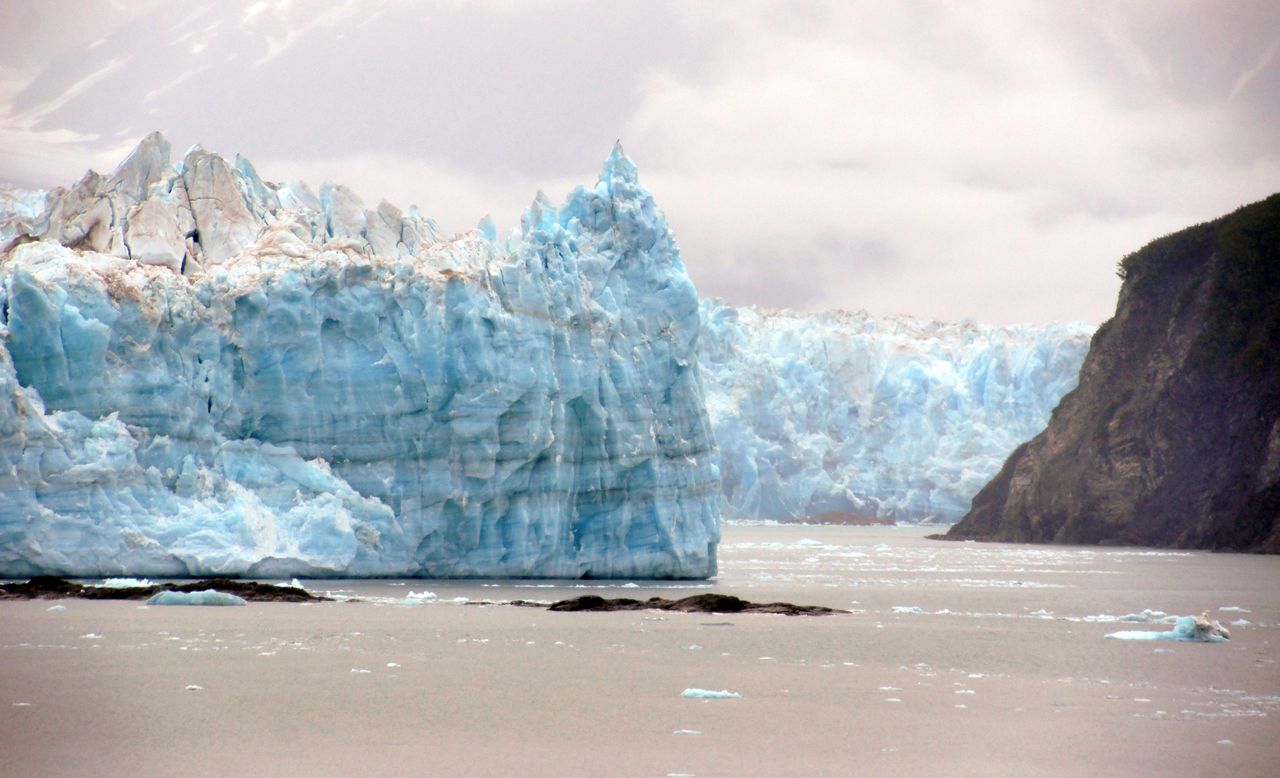
- You won’t see Hubbard Glacier or College Fjord.
Gulf of Alaska cruises are what you want if you want to see inland Alaska before or after your cruise.They are usually 7 nights, start and end in different ports, and sail between Vancouver in the south and Seward or Whittier (the ports for Anchorage) in the north. Ships typically transport passengers from Seward or Whittier to Anchorage by bus or train.
There are typically two whole days of scenic cruising, leisurely stopovers, and generally no stops in Canada. Port stops can include Ketchikan, Juneau, Sitka, & Skagway.
Advantages of a Gulf of Alaska North/Southbound Cruise
- You can add a Cruise tour (it combines a cruise with a land tour), either before or after the cruise. Typical packages link the cruise with a 3- to 5-night Anchorage/Denali/Fairbanks tour, a 4- to 7-night Yukon tour (which visits Anchorage, Denali, and Fairbanks on the way), or a 5- to 7-night tour of the Canadian Rockies.
- You’ll have more time onshore to explore the stopover harbor towns.
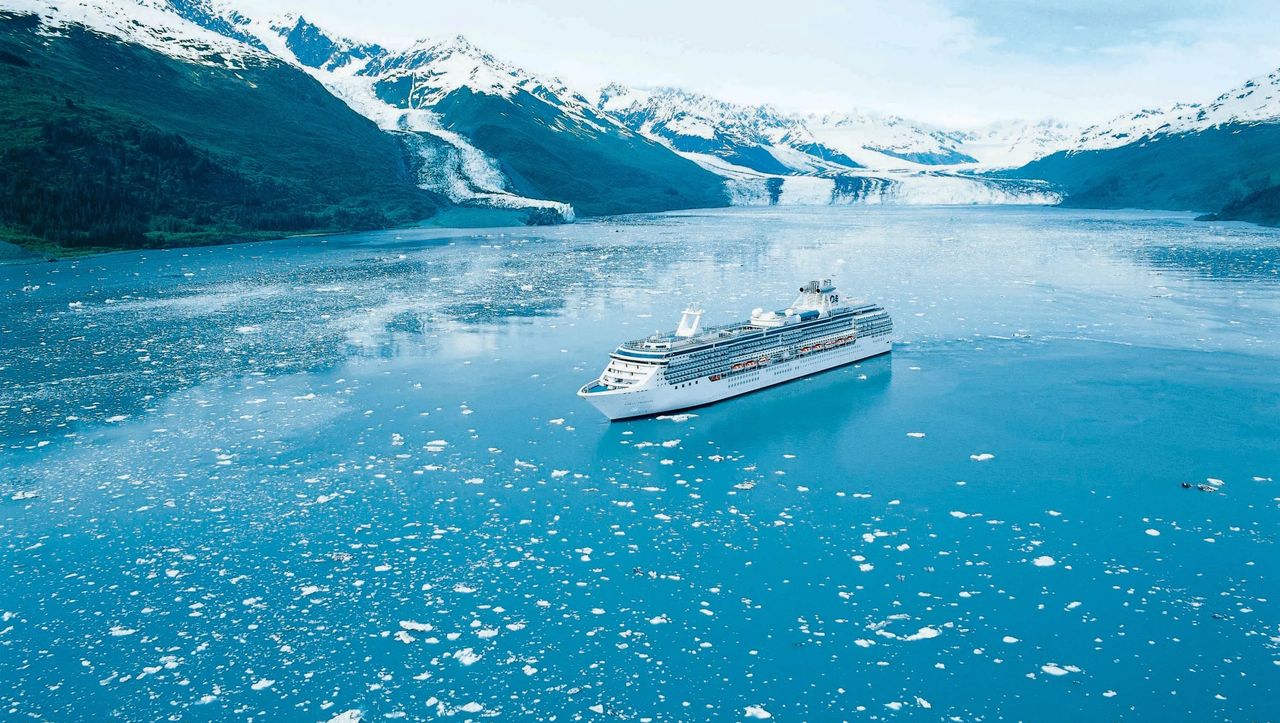
- You’ll get to see the truly spectacular Prince William Sound, College Fjord, and/or Hubbard Glacier.
Downsides of a Gulf of Alaska Cruise
- You’ll need to fly to or from Anchorage, and take a bus or train between the airport and the cruise ship terminal (2.5-4 hours)
- You’ll need to fly to or from Vancouver, so a passport is required. There are very few non stop flights to either airport, you will usually be on an overnight flight, and air pricing is often 50% higher than round trip flights to/from Seattle.
- The seas in the Gulf of Alaska section can get rough, particularly late in the season. Keep this in mind if sea sickness is a concern.
Which Ship Should I pick?
Big ships, small ships, high energy or laid back luxury…there’s a ship and line for everyone. During your consultation we’ll talk about what’s important to you, but here are a few things to think about:
Contemporary Ship Pros & Cons
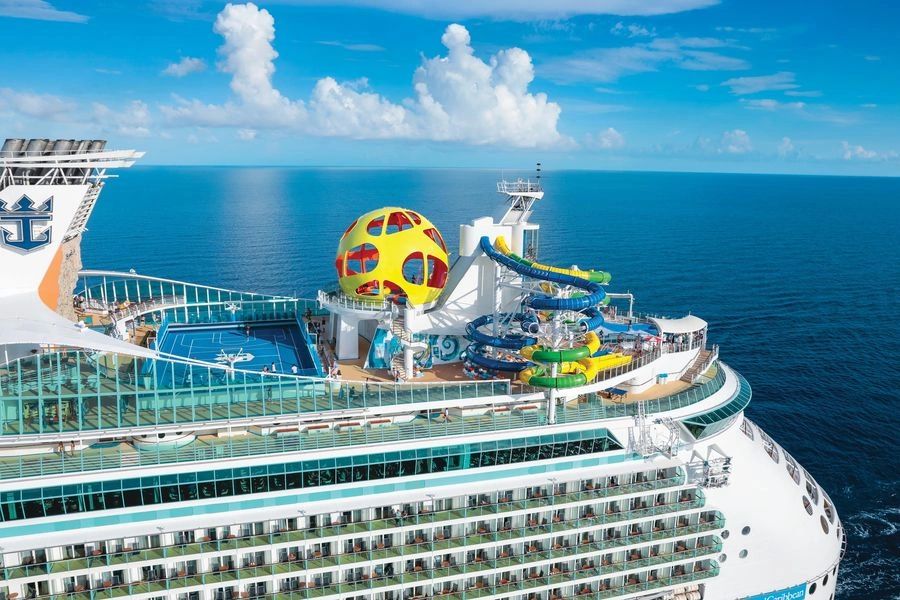
- Usually best for families because they have the most amenities. Think rock climbing walls, ice skating rinks, Broadway shows, kid’s and teen clubs, multiple restaurants and non stop things to do.
- They have the most variety in cabin styles and price points, with many featuring a “ship within a ship” concept for more privacy, luxury, and kid free areas.
- Lots of variety in shore excursions means the chance to experience a wide range of activities, but when upwards of 5,000 passengers disembark in a town, they tend to overwhelm it, limiting your ability to get insight into the real Alaska communities.
- A big footprint means they can’t sail into narrow passages or shallow-water ports & their size limits their ability to stop or even slow down when wildlife is spotted.
Classic Ship Pros & Cons
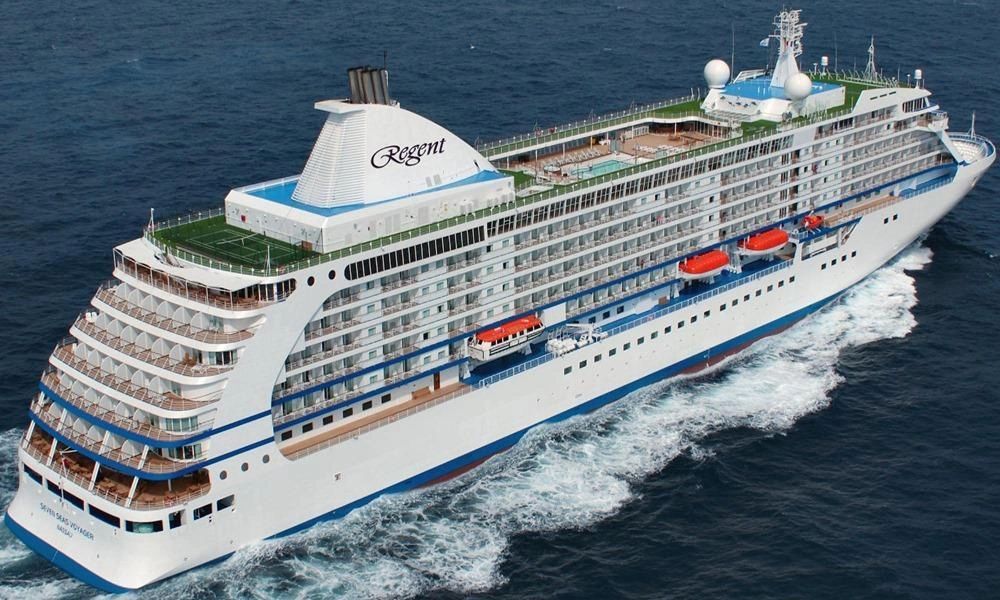
- These ships are suited for people who prefer smaller crowds and don’t need as many adrenaline filled options onboard. 4-5 restaurants are the norm, and pools don’t come with water slides. Entertainment leans more toward 1-2 big productions during the week and lectures and presentations by park rangers, historians, and environmentalists throughout the day.
- Cabin types will be primarily balconies and suites, with fewer options to customize the type of room.
- The smaller size means they can access ports and areas that the larger ships can’t, so coveted passes to enter Glacier Bay are given to them. Smaller ports mean more immersive experiences for independent souls who don’t want an organized activity in every port.
- The classic lines welcome children, but cater to Gen X and Baby Boomers in their entertainment style and amenities, and rarely have much open ship wide after midnight. Your fellow 2000-3000 passengers (or less depending on cruise line) will have an average age of 60.
Look at that! You’ve officially started planning your Alaskan Adventure! The next step is to schedule your personalized consultation so we can start narrowing down your unique style! The best time for booking your cruise is 12-24 months before travel, so DO NOT wait until 6 months before and think you’re going to have loads of options.
Information and photos provided by Wendy Bartley – Travel Advisors Selling the USA. Thanks to Wendy!
